Getting visitors to a contractor website is the first battle. Getting them to actually *call* is the war. And right now, a lot of contractors are losing that war not because they lack skill, but because their website is quietly sabotaging them.
Done right, contractor website lead generation transforms a digital brochure into a 24/7 booking machine. Here’s exactly how to make that happen.
Most contractor websites convert less than 1% of visitors. The best ones hit 11%+. The gap comes down to five things: clear calls-to-action, local SEO, trust signals, a killer home service provider landing page, and fast response systems. This guide walks through all of them.
Why Most Contractor Websites Quietly Fail at Generating Leads
Think of a contractor’s website like the front door to a job site. If it’s crooked, rusted, and hard to open, nobody’s walking through no matter how impressive the work is inside.
Evaluations of thousands of contractor websites reveal that most only convert at an average of 0.5%. That is extremely low.
But here’s the encouraging part: the best contractor websites convert at 11% or higher, generating five times more leads than their competitors.
So what’s the real difference?
If a site is below its trade benchmark, the problem is rarely the ad; it’s usually what happens after the click: a slow page, a missing phone number, or an unanswered call.
Most contractor websites don’t fail because they’re missing features. They’re full of content. Very little of it helps someone decide to call.
Build a Home Service Provider Landing Page That Actually Converts
Structure Beats Style Every Time
Fancy animations and rotating sliders feel exciting to build. But they confuse homeowners who just need a roofer now.
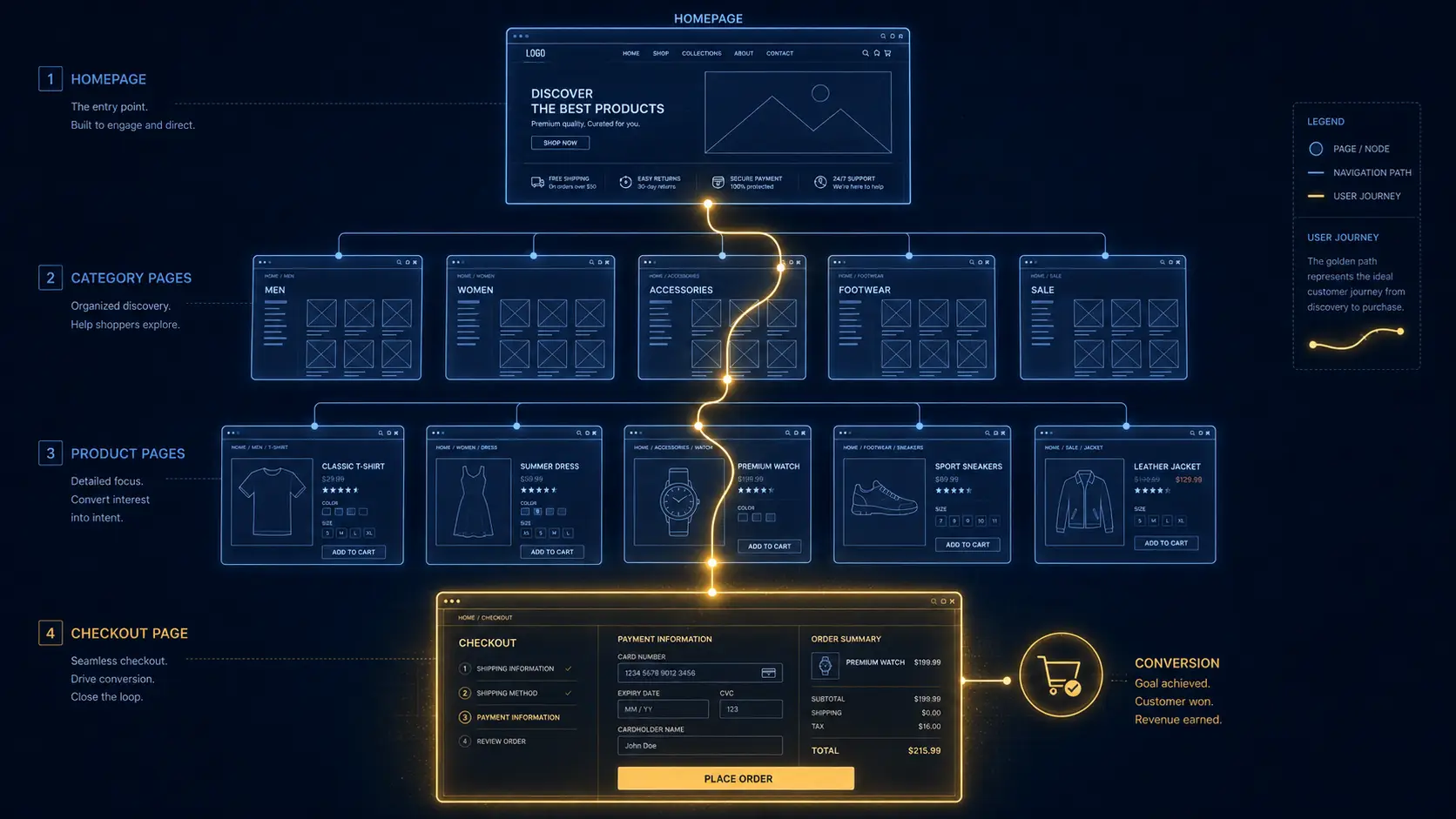
High-performing homepages follow a predictable pattern because it works: a clear headline that names the service and location, one primary call-to-action above the fold, and supporting proof directly underneath.
It’s essentially the contractor version of a good first impression at a job site walkthrough. Lead with confidence, show your work, make it easy to say yes.
If a homeowner has to scroll just to confirm you do what they searched for, the page has already failed.
That’s not harsh, that’s just how fast people make decisions online.
CTAs That Actually Get Clicked
A CTA should be clear and compelling, and can’t be an afterthought; it must be integrated naturally into the website’s narrative to guide visitors toward making that decisive click.
Keep it specific. “Schedule My Free Roof Inspection” beats “Contact Us” every single time.
Personalized CTAs convert 202% better than generic ones, and matching CTA language to service page context provides a meaningful lift.
And don’t overlook mobile.
For mobile users, sticky click-to-call buttons at the bottom of screens paired with clickable phone numbers in headers capture intent effectively, while action-first labeling like “Call Now Free Quote” outperforms displaying the phone number alone.
Nail Your Local SEO to Pull in Exclusive Contractor Leads Online
Local SEO is the backbone of contractor website lead generation. Without it, even a beautifully optimized site sits in digital silence.
Local SEO puts a business in front of people who already know what they need and are actively comparing options nearby. While it may produce fewer leads than ads at first, the leads it produces usually close at a higher rate because the searches originate from homeowners’ immediate purchase intent.
Google Business Profile: The Free Power Move
A Google Business Profile (GBP) is a powerful tool for contractor lead generation because it boosts local SEO, helping a business appear at the top of Google for searches like “roofing contractor near me,” and increases trust and credibility since homeowners rely on verified reviews when choosing a contractor.
NAP consistency making sure the business Name, Address, and Phone number match on every online platform is essential. Mixing location terms with services helps businesses show up in nearby searches.
Local Service Ads: The Google-Guaranteed Edge
Don’t overlook paid local channels either.
Google Local Service Ads (LSAs) show at the very top of local search results before organic listings and sponsored posts. They carry the Google Guaranteed badge, which builds instant trust with homeowners, and you pay per lead instead of per click, which makes budgeting easier.
For a home service provider, that “Google Guaranteed” badge is like showing up to a job interview in a perfectly pressed uniform. It signals credibility before a single word is spoken.
Understanding the Conversion Rate for Contractors
Numbers matter. A lot. And knowing the benchmarks helps set realistic, achievable goals.
Conversion rates hold at 7.8% industry-wide, with plumbing, water treatment, and outdoor services converting strongest at 12–16%, while HVAC, roofing, and remodeling sit in the mid-tier range of 3–7%.
The home services businesses with the highest cost-per-lead include Roofing & Gutters ($228.15), Doors & Windows Sales ($200.34), and Construction & Contractors ($165.67).
That means every unoptimized page and every missed call carries a real dollar cost.
Multi-Step Forms: The Quiet Conversion Weapon
Multi-step forms deliver 300% higher conversion rates than single-page alternatives.
Breaking a quote request into two or three simple steps feels less intimidating than dumping every field onto one screen. Think of it like guiding someone through an estimate walkthrough rather than handing them a full contract to sign before saying hello.
When the only point of conversion on a website is a contact form, it only captures prospects at the very end of the buyer’s journey. That means losing a lot of potential leads people are visiting and leaving because the site isn’t offering anything of value at their stage in the journey.
Turn Trust Into a Lead Generation Engine
Reviews Are the New Word of Mouth
Studies show that 95% of consumers check reviews from previous customers before they buy.
That statistic alone should make every contractor take their review strategy seriously.
81% of homeowners rely on Google Reviews to decide whether to use a business and 88% would use a business that responds to all its reviews.
So respond to every review. The good ones, the great ones, and yes even the grumpy ones. It signals to future clients that this is a business that actually shows up.
Portfolios That Do the Selling
Visual proof stands out as one of the best ways to generate leads for contractors. A strong portfolio and genuine testimonials help connect with potential clients by showing expertise and reliability.
Before-and-after photos, project stories, and professional photography aren’t vanity; they’re conversion tools working quietly in the background.
Speed Up Response Times to Lock In Exclusive Contractor Leads Online
Getting leads is only half the equation. Responding fast enough to win them is the other half.
97% of homeowners say response speed influences who they hire and 41% of jobs booked online come in after hours.
That’s not a small number. Nearly half of online bookings happen when the office is closed.
AI chatbots increase conversions by 23% while handling after-hours lead capture.
For contractors not ready to staff a 24/7 answering service, a well-configured chatbot or automated booking tool is a smart bridge.
For sustainable, consistent, and cost-effective lead flow, nothing beats an inbound digital marketing strategy built around a business’s own brand. Investing in local SEO, Google Business Profile optimization, targeted search ads, website optimization, and content marketing gives complete control.
FAQ: Contractor Website Lead Generation
Q: What’s a good conversion rate for a contractor website?
Across the board, the industry average sits at a 7.8% CVR, making it the baseline providers should measure against.
But the top performers do far better.
The best contractor websites convert at 11% or higher, generating five times more leads than their competitors.
If a site is converting below 2%, it’s time for a serious overhaul.
Q: Should contractors use third-party lead platforms or build their own leads?
Both have a role, but they’re not equal.
Third-party platforms come with significant downsides: increasing costs per lead, intense competition from dozens of contractors chasing the same contacts, questionable lead quality, and limited ability to showcase a brand or build long-term equity.
When a contractor invests in building their own lead generation assets like their website, local SEO presence, content marketing, and email lists they’re creating long-term brand equity that continuously generates high-quality leads at a lower overall cost.
Q: How important is mobile optimization for contractor lead generation?
Critically important.
The performance gap between desktop and mobile averages 11%, but the business impact for contractors is far more severe: emergency service searches happen almost exclusively on mobile devices.
A site that isn’t mobile-optimized is essentially turning away some of the highest-intent visitors imaginable.
The Takeaway: Your Website Should Work Harder Than Your Best Employee
Think of a website as the best employee one that brings in qualified leads around the clock without complaining.
That framing changes everything about how to approach contractor website lead generation.
The goal isn’t a pretty digital brochure. It’s a conversion-optimized, trust-building, locally-targeted system that turns casual visitors into booked jobs even at 2 a.m. when the furnace quits.
Audit the site against everything in this guide. Fix the CTAs. Strengthen the local SEO. Add multi-step forms. Collect reviews relentlessly. And respond to leads faster than the competition can find their boots.
Ready to stop leaving jobs on the table? Start with a full website audit today because every unoptimized page is a lead walking out the door. Schedule a consultation with us today.